Cybercriminals Deploy Fake AI Coding Assistant Sites to Distribute Malicious Software
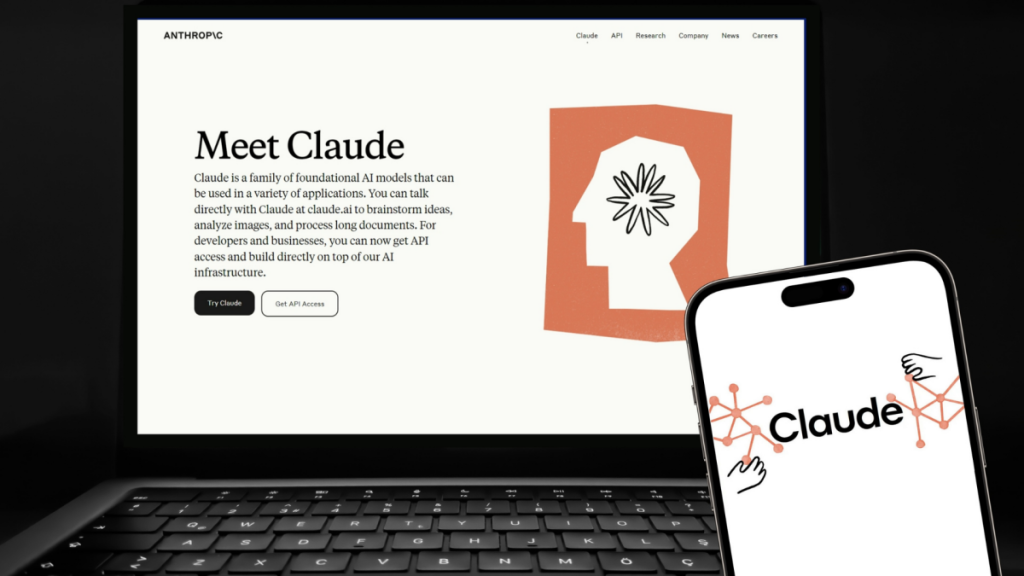
Security researchers have uncovered a sophisticated cybercrime operation targeting users of AI-powered development tools. Criminals are creating convincing replicas of legitimate coding assistant platforms to trick developers into installing dangerous malware through deceptive installation guides.
Sophisticated Website Cloning Operation Targets Developers
Security experts at Push Security have discovered an elaborate scheme involving meticulously crafted duplicates of Anthropic’s Claude Code interface. These fraudulent websites mirror every aspect of the authentic platform, including visual design, corporate branding, documentation sections, and even similar web addresses. The criminals have gone to great lengths to ensure authenticity, with most page links redirecting users to the genuine Claude Code website.
The malicious element lies solely within the installation commands provided for different operating systems. When developers copy these seemingly legitimate terminal commands for macOS, Windows PowerShell, or Windows Command Prompt, they unknowingly execute malware instead of the intended software.
This attack methodology represents an evolution of the ClickFix technique, which manipulates users through fabricated error notifications, security prompts, and command interfaces to voluntarily install harmful software. Security researchers have previously documented similar campaigns targeting other development tools, including fake OpenClaw installation packages.
Malware Capabilities and Distribution Methods
The current campaign deploys Amatera, a sophisticated information-stealing program designed to compromise both Windows and macOS systems. This malware systematically extracts sensitive data from web browsers, including stored login credentials, authentication cookies, session identifiers, and automatic form-fill information. Additionally, it targets cryptocurrency wallet data and other valuable system credentials.
Attackers enhance their operation’s credibility by hosting these malicious sites on reputable platforms such as CloudFlare Pages and Squarespace, making detection more challenging for both users and security systems.
Protection Strategies Against Installation Scams
Research indicates these fraudulent installation pages gain visibility through paid advertising campaigns, particularly appearing as sponsored search results when users query terms related to Claude Code installation or command-line interfaces. Developers should exercise extreme caution when searching for development tools and installation procedures.
Security experts recommend avoiding the execution of commands sourced from unverified locations, including email messages, online forums, social media platforms, or unfamiliar websites. Always verify the authenticity of installation instructions through official channels before proceeding.
Google users can minimize exposure to malicious advertisements by hiding sponsored search results after viewing them. Additionally, bookmarking trusted development resources eliminates the need to repeatedly search for commonly used tools and reduces the risk of encountering fraudulent sites.
When accessing installation resources, carefully examine both web addresses and command syntax. Cybercriminals employ various techniques to create convincing but ultimately fake domain names that may pass casual inspection. Consider manually typing installation commands from verified sources rather than copying text, which could contain hidden malicious elements.