Cycling Expeditions Emerge as Popular Alternative to Traditional Walking Tours in African Wildlife Parks
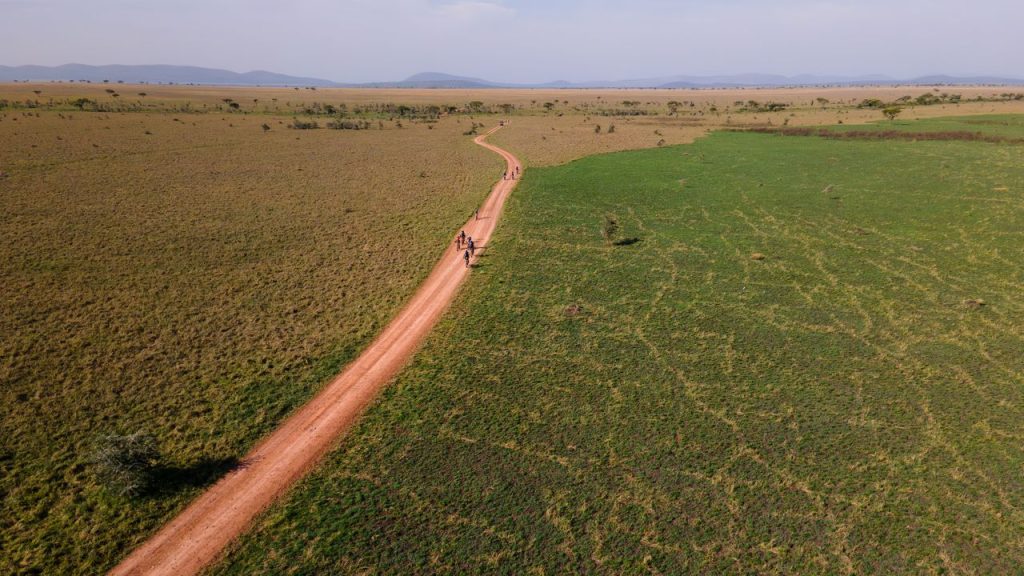
Adventure tourism in Africa is witnessing a significant shift as cycling safaris gain momentum among travelers seeking unique wildlife experiences. These bicycle-based expeditions are positioning themselves as an innovative alternative to the well-established tradition of walking safaris.
The concept of exploring African wilderness on two wheels represents a fresh approach to wildlife observation, offering visitors an opportunity to cover greater distances while maintaining an intimate connection with nature. Unlike motorized game drives, cycling safaris provide a quieter, more environmentally conscious method of traversing diverse landscapes.
Tourism operators across various African destinations are increasingly incorporating bicycle tours into their safari packages. This trend reflects growing demand from environmentally aware travelers who prefer sustainable tourism options that minimize their ecological footprint while maximizing authentic experiences.
Cycling safaris typically allow participants to navigate through wildlife corridors and conservation areas at a moderate pace, providing enhanced opportunities for wildlife photography and bird watching. The elevated position on a bicycle often offers better vantage points compared to walking, while the ability to cover more ground appeals to time-conscious visitors.
Safety considerations remain paramount in these cycling expeditions, with experienced guides leading groups through carefully selected routes that balance adventure with wildlife protection protocols. Participants receive comprehensive briefings on wildlife behavior and emergency procedures before embarking on their cycling adventures.
The growing popularity of these bicycle-based safaris suggests they may indeed represent the next evolution in African adventure tourism, offering a compelling middle ground between the intimacy of walking safaris and the efficiency of vehicle-based game drives.