Southwest Airlines’ Assigned Seating Experiment Creates Passenger Frustration
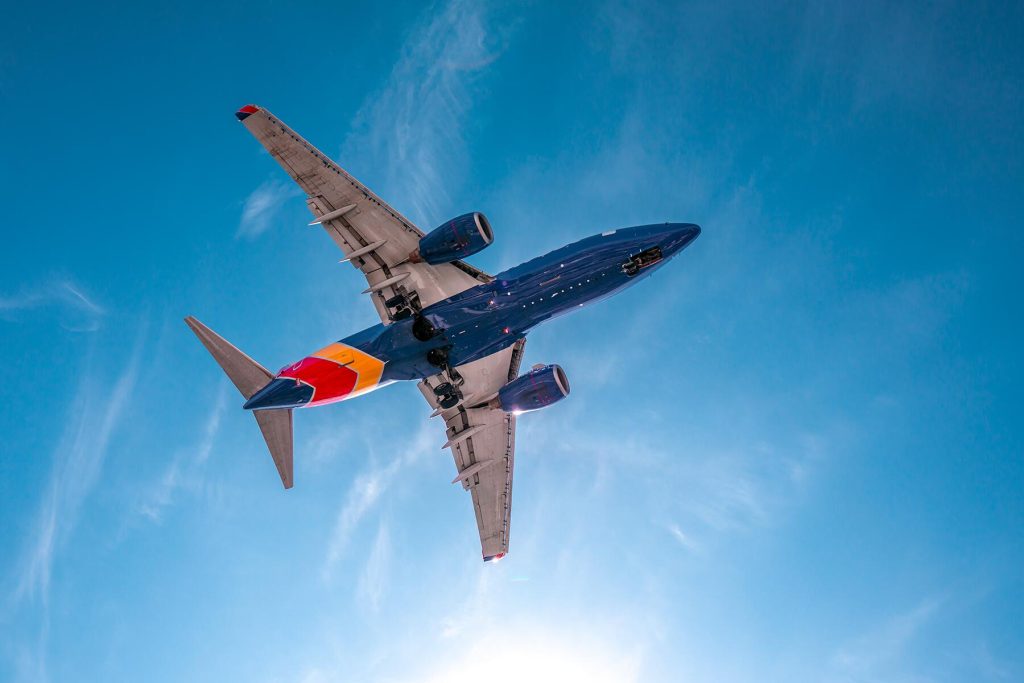
Southwest Airlines has encountered significant passenger backlash following its transition from open seating to assigned seats, a change implemented in January after maintaining its unique boarding system for fifty years. The Dallas-based carrier’s decision to abandon its signature first-come, first-served seating arrangement has generated widespread customer complaints and operational challenges.
The airline’s transformation extends beyond seating assignments. Southwest has eliminated its longstanding policy of two free checked bags and now charges fees for priority boarding and baggage services, aligning itself with industry-standard practices. This fundamental shift has divided passengers between those who welcome reduced boarding chaos and longtime customers mourning the loss of Southwest’s distinctive approach.
Customer grievances have intensified on social media platforms, with travelers reporting insufficient overhead bin space near their assigned seats and families unable to sit together without additional fees. One frustrated passenger described the experience as “actually awful,” noting they were assigned to row four but couldn’t find overhead storage until row twenty.
These operational difficulties appear to be self-created problems. Previously, Southwest’s generous baggage allowance encouraged passengers to check luggage rather than carry everything aboard. Now, without this incentive, more travelers are bringing carry-on items, creating storage shortages and boarding delays.
Despite mounting criticism, Southwest defends the changes as customer-focused improvements. The airline now operates eight distinct boarding groups based on loyalty status, fare categories, and seat preferences. Premium passengers who pay for extra legroom or preferred locations board first, while top-tier members retain complimentary baggage privileges.
The carrier has acknowledged the complaints through customer communications. Tony Roach, Southwest’s chief customer and brand officer, stated the airline is actively working to streamline boarding procedures. Additionally, Southwest plans to expand overhead bin capacity by fifty percent across seventy percent of its fleet by year-end and install specialized signage to reserve space for premium seat passengers.
Broader Policy Overhaul
The seating changes represent part of a comprehensive policy revision at Southwest. Over the past year, the airline has implemented restrictions on lithium batteries in mobility devices, modified refund policies affecting plus-size travelers, and altered pre-boarding procedures for wheelchair users and passengers requiring assistance.
Southwest’s recent struggles trace back to operational failures during Christmas 2022, when outdated technology systems caused widespread flight cancellations and earned federal penalties. In 2024, Elliott Investment Management acquired a substantial stake in the company and pressured leadership for significant changes, which Southwest ultimately implemented.
The transformation has effectively eliminated Southwest’s competitive advantages. Without complimentary baggage and open seating, the airline now mirrors its competitors but lacks the premium amenities like lounges and enhanced services offered by legacy carriers. This positioning has alienated many loyal customers who valued Southwest’s unique value proposition and straightforward approach to air travel.