Streaming Discovery Gets an AI Upgrade: Testing the New ChatGPT Integration
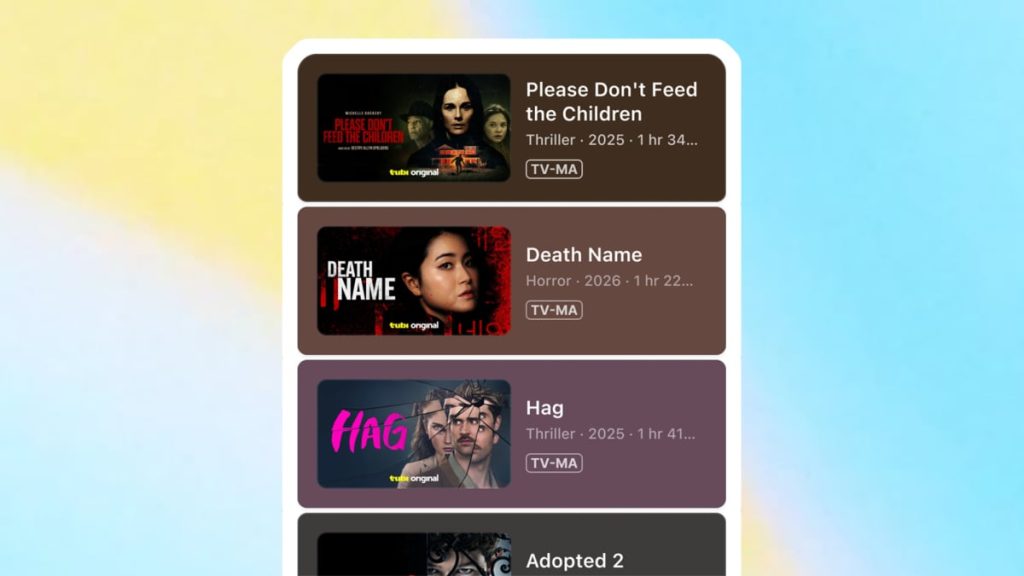
The integration of streaming services with AI chatbots represents a fascinating shift in how we discover entertainment content. Recently, a major free streaming platform became the first video service to integrate directly with ChatGPT, allowing users to search for movies and TV shows through conversational AI rather than traditional browsing methods.
While you can’t actually stream content directly through the chatbot interface, the integration serves as a sophisticated recommendation engine. Users can describe their mood, preferences, or specific criteria in natural language, and the AI attempts to match these requests with available titles in the streaming library.
How the AI-Powered Discovery Works
The system operates through ChatGPT’s app ecosystem, accessible via desktop and mobile interfaces. After connecting the streaming service, users can invoke it through mentions or the integrated app menu. The real test lies in how well it interprets nuanced requests compared to traditional category browsing.
In my experience testing this integration, I found the results surprisingly competent for straightforward genre requests. When I asked for classic action thrillers similar to well-known films, the AI delivered relevant suggestions that demonstrated genuine understanding of cinematic DNA. The recommendations included both obvious choices and some deeper cuts that showed sophisticated pattern recognition.
However, the system isn’t without limitations. When requesting highly-rated recent television series, the AI often suggested titles that weren’t actually available on the platform, falling back on general recommendations when catalog access failed. This highlights a critical weakness: the disconnect between AI knowledge and real-time catalog availability.
The Promise and Pitfalls of Algorithmic Curation
I believe this technology represents both an exciting opportunity and a concerning trend. The ability to search using descriptive language like “dreamy 2000s movie with reflective, wistful vibes” feels genuinely revolutionary compared to scrolling through generic categories. This natural language approach could democratize film discovery for casual viewers who struggle with traditional taxonomy.
Yet I’m deeply skeptical about the long-term implications. AI recommendation systems, no matter how sophisticated, fundamentally lack the human experience that makes great recommendations meaningful. They haven’t felt the emotional weight of a perfectly timed plot twist or understood the cultural context that makes certain films resonate across generations.
This matters enormously for serious film enthusiasts and anyone seeking genuinely transformative viewing experiences. While the AI might successfully match surface-level criteria, it cannot replicate the intuitive understanding that comes from lived experience. A human friend who knows you’ve been going through a difficult breakup will recommend different films than an algorithm analyzing your viewing history.
The integration also includes features like trending content displays and trivia games, which feel more like engagement tactics than meaningful discovery tools. These additions suggest the technology is as much about keeping users within the platform ecosystem as it is about improving content discovery.
Who Benefits and Who Doesn’t
This AI-powered approach will likely appeal most to casual viewers who feel overwhelmed by choice paralysis on streaming platforms. For busy professionals or families looking for quick, “good enough” recommendations, the conversational interface offers genuine convenience over endless scrolling.
However, cinephiles and serious television enthusiasts should approach this tool with caution. The risk of algorithmic homogenization is real – AI systems tend toward safe, popular choices that match broad patterns rather than challenging or innovative content that might expand your horizons.
I’m particularly concerned about the impact on serendipitous discovery. Some of my most memorable viewing experiences came from stumbling across unexpected films during aimless browsing sessions. While inefficient, this organic exploration often leads to hidden gems that no algorithm would suggest.
The technology works best as a supplementary tool rather than a replacement for human curation. Smart viewers will use it alongside trusted critics, friend recommendations, and yes, even old-fashioned browsing. The goal should be expanding your discovery toolkit, not replacing human judgment with artificial convenience.
Ultimately, while this integration represents impressive technical achievement, it reflects our broader cultural tension between efficiency and authenticity. The question isn’t whether AI can find watchable content – it clearly can. The question is whether we’re willing to trade the messy, inefficient, but ultimately more human process of discovery for the smooth predictability of algorithmic suggestion.