The Essential Guide to Headphone Hygiene: Cleaning Frequency and Health Risks
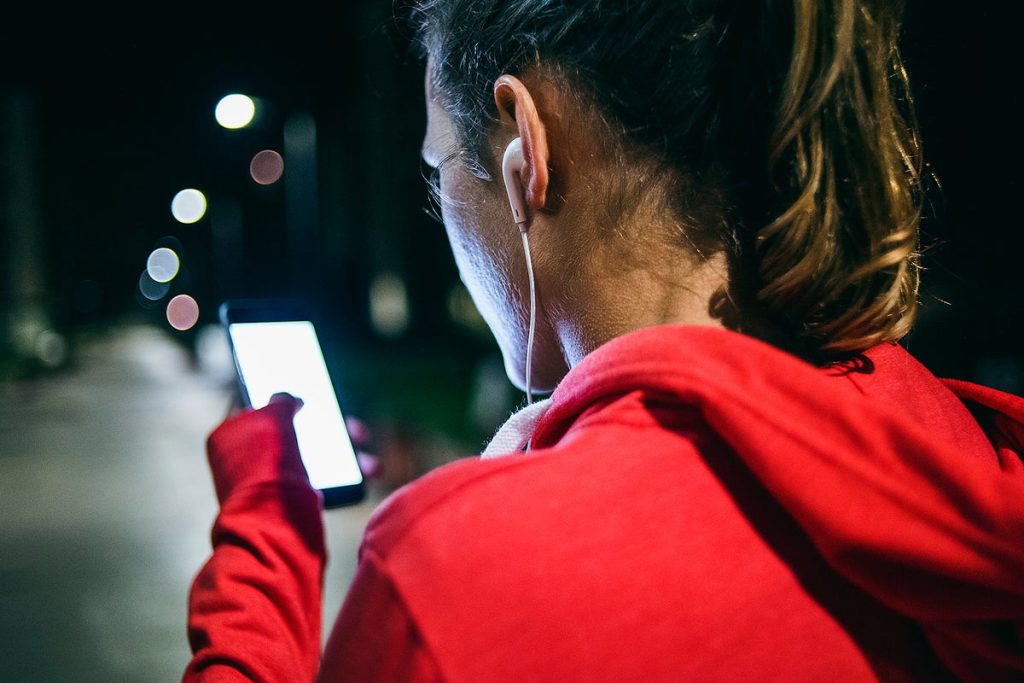
Modern life has made headphones nearly indispensable, with millions of people spending considerable time each day listening to music, podcasts, or taking calls through these devices. Research from 2017 involving over 4,000 Australian participants revealed that individuals typically use headphones between 47 and 88 hours monthly, highlighting just how integral these devices have become to daily routines.
While most health discussions surrounding headphones focus on volume-related hearing damage, there’s another crucial aspect that often goes overlooked: the impact on ear hygiene and bacterial balance. The World Health Organization recommends keeping audio levels at or below 60% of maximum device volume to prevent hearing loss, but the physical presence of headphones in our ears presents additional health considerations.
Understanding Your Ear’s Natural Environment
The human ear operates as a sophisticated self-maintaining system. Over-ear models rest against the external ear structure, while in-ear variants and earbuds sit within the concha, effectively sealing the entrance to the ear canal. This S-shaped passageway, measuring several centimeters in length, serves as the pathway for sound vibrations to reach the eardrum.
The deeper sections of the ear canal naturally produce protective substances including earwax and oils, which maintain skin health and provide defense against infections. Microscopic hairs within the canal help regulate temperature while preventing foreign particles from penetrating deeper into the ear. This natural cleaning mechanism works continuously, with earwax helping to trap and expel bacteria, dead skin cells, and other debris.
The Bacterial Balance Disruption
Healthy ear canals maintain a diverse ecosystem of beneficial microorganisms, including various bacteria, fungi, and viruses. This microbial diversity creates a natural defense system that makes it difficult for harmful pathogens to establish themselves and cause infections.
However, prolonged use of in-ear devices can significantly alter this delicate balance. Recent research comparing hearing aid users with non-users found that individuals who regularly block their ear canals showed reduced bacterial diversity compared to those who don’t use such devices. The study examined 50 hearing aid users against 80 individuals who didn’t use ear-blocking devices.
Additional research published in 2025 investigated the relationship between headphone usage and fungal or bacterial changes in ear canals. The findings indicated that headphone use, particularly when devices are shared between users, correlates with increased risk of ear infections.
The Humidity Factor
In-ear devices create an enclosed environment that traps heat and moisture, particularly problematic during physical activity when sweating occurs. This increased humidity and temperature create ideal conditions for harmful bacteria to flourish while potentially interfering with the ear’s natural self-cleaning processes.
The elevated moisture levels can lead to various complications, including ear infections, unusual discharge, and in severe cases, pus formation. The natural movement of earwax that typically helps cleanse the ear canal can also become impaired when devices are worn for extended periods.
Practical Solutions for Healthier Listening
Despite these concerns, most people cannot simply eliminate headphone use from their daily routines. The key lies in implementing smart usage practices that allow ears to maintain their natural health while still enjoying the convenience of personal audio devices.
Regular breaks from headphone use are essential, allowing ear canals to return to normal temperature and humidity levels. Consider alternating between periods of use and rest throughout the day to prevent continuous blocking of the ear canal.
Bone conduction technology offers an innovative alternative that bypasses the ear canal entirely. These devices transmit sound vibrations through skull bones directly to the inner ear, eliminating the need to block the ear canal. While typically more expensive than traditional headphones, they allow ears to remain open to the environment. However, users should still exercise caution with volume levels, as intense vibrations can still potentially damage hearing.
Maintenance and Prevention Strategies
Establishing a regular cleaning routine for headphones is crucial for maintaining ear health. Experts recommend cleaning frequencies ranging from daily use to weekly maintenance, with immediate cleaning after workouts being particularly important.
Effective cleaning involves wiping devices with a clean cloth or using a soft-bristled toothbrush slightly dampened with mild soap solution. After cleaning, devices should be thoroughly dried with paper towels and allowed several hours of air drying before recharging or reuse. Always consult manufacturer guidelines for specific cleaning instructions, and don’t forget to clean charging cases and earbud bodies as well.
Avoid using headphones during illness, particularly when experiencing ear infections. The enclosed environment created by in-ear devices can exacerbate existing conditions by maintaining elevated temperature and humidity levels that slow natural healing processes.
Monitor your ears for warning signs that may indicate problems developing. Symptoms such as persistent itching, redness, unusual discharge, or discomfort should prompt immediate discontinuation of in-ear device use and consultation with a healthcare professional. Early intervention can prevent minor issues from developing into more serious complications.