The Reality Behind Premium Copper Cookware: What Actually Works and What’s Just Marketing
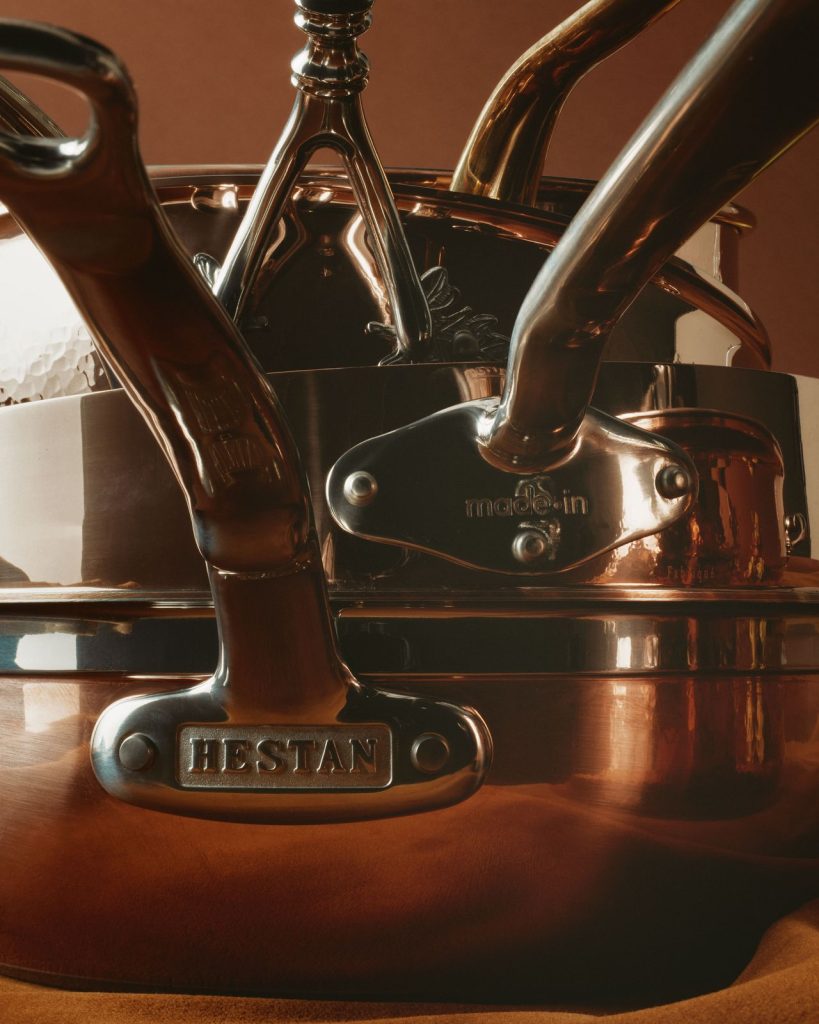
Copper cookware commands attention in ways few kitchen tools can match. With its gleaming surface and hefty price tags, it carries an aura of culinary sophistication that makes home cooks dream of professional-grade performance. The marketing promises are seductive: unmatched heat distribution, lightning-fast temperature response, and the kind of precision control that separates amateur cooking from culinary artistry.
But here’s what the cookware industry doesn’t want you to know: most copper pans on the market today are expensive disappointments wrapped in beautiful packaging. After conducting extensive testing with thermal conductivity measurements and real-world cooking trials, I can tell you that the copper cookware revolution is largely built on myths that benefit manufacturers more than home cooks.
The Science Behind the Marketing Claims
To understand why copper cookware often fails to live up to its reputation, we need to examine the fundamental physics at play. Copper does indeed possess superior thermal conductivity compared to other metals commonly used in cookware construction. It also has a lower heat capacity, meaning it requires less energy to change temperature.
However, these properties only matter when copper can actually do its job – and in most modern copper cookware, it can’t. The problem lies in how manufacturers construct these pans. Most contemporary copper cookware features thin copper layers sandwiched between stainless steel, or solid copper exteriors lined with stainless steel interiors. This construction method essentially neutralizes copper’s thermal advantages.
Think of it this way: if you’re trying to conduct heat efficiently, but you surround your conductor with materials that resist heat transfer, you’ve defeated the purpose. It’s like installing a high-performance engine in a car but connecting it to a transmission that can’t handle the power.
The Testing That Reveals the Truth
I tested multiple copper pan designs against a standard stainless steel pan with an aluminum core, measuring temperature distribution and responsiveness across cooking surfaces. The results were eye-opening and frankly disappointing for anyone who’s invested heavily in copper cookware.
Most copper-core pans performed worse than their aluminum-core counterparts. They heated unevenly, responded sluggishly to temperature changes, and in some cases created more volatile cooking conditions that increased the risk of scorching food. The weight penalty was significant too – copper’s density means these pans are substantially heavier without delivering better performance.
This matters tremendously for home cooks who value maneuverability and ease of use. Professional kitchens have multiple cooks who can handle heavy equipment, but home cooks often work alone and need cookware that responds quickly without requiring excessive physical effort to manipulate.
The One Exception That Proves the Rule
Only one pan in my testing delivered the legendary copper performance: a traditional tin-lined copper pan. This old-school construction, where copper forms the primary structure and tin provides a lightweight, responsive cooking surface, actually worked as advertised. It heated evenly, responded rapidly to temperature changes, and provided the kind of precision control that justifies copper’s reputation.
But here’s the catch that manufacturers don’t emphasize: tin linings require careful handling and periodic maintenance. Tin begins melting around 450°F, which means you can damage your expensive pan if you’re not vigilant about heat levels. The lining also wears away over time and needs professional restoration.
Who Should Buy Copper Cookware (And Who Shouldn’t)
If you’re drawn to copper cookware primarily for aesthetic reasons, go ahead and choose pieces you find beautiful. There’s genuine value in cooking with tools that inspire you, and most copper cookware is well-constructed even if it doesn’t deliver superior performance. For home cooks who prioritize visual appeal and have the budget for luxury items, copper can be a worthwhile investment.
However, if you’re purchasing copper cookware expecting dramatically better cooking performance, you’re likely to be disappointed. The performance benefits simply don’t exist in most modern copper cookware designs. You’d be better served investing in high-quality stainless steel or cast iron cookware and spending the difference on better ingredients or cooking education.
Professional cooks working in high-volume environments might find value in traditional tin-lined copper pans, but only if they have the experience to handle the maintenance requirements and heat limitations. For most home cooks, these constraints outweigh the benefits.
The Economics of Copper Cookware
Perhaps most importantly, copper cookware represents poor value for most consumers. You’re paying premium prices for materials and construction that often deliver inferior performance compared to well-designed aluminum-core stainless steel pans. The marketing emphasizes heritage and tradition, but ignores the reality that modern materials science has produced better solutions for most cooking applications.
The copper cookware market thrives on aspiration rather than performance. Manufacturers know that consumers associate copper with professional cooking and are willing to pay premium prices for that association, regardless of actual cooking benefits.
Making an Informed Decision
Before investing in copper cookware, honestly assess your priorities and cooking style. If you’re a casual home cook who occasionally prepares meals for family and friends, copper cookware won’t meaningfully improve your results. You’d benefit more from learning proper technique and investing in quality ingredients.
For serious home cooks who demand precise temperature control and are willing to accept maintenance requirements, traditional tin-lined copper offers genuine advantages. But this represents a tiny fraction of the copper cookware market, and these pans require knowledge and care that most home cooks aren’t prepared to provide.
The bottom line is that copper cookware’s reputation exceeds its reality in most cases. While there’s nothing wrong with choosing cookware based on appearance or personal preference, don’t expect modern copper pans to transform your cooking through superior performance. In most cases, you’ll get better results spending less money on well-designed stainless steel cookware and focusing on developing your cooking skills instead.